From Petrol Stations to Energy Hubs: The Changing Forecourt
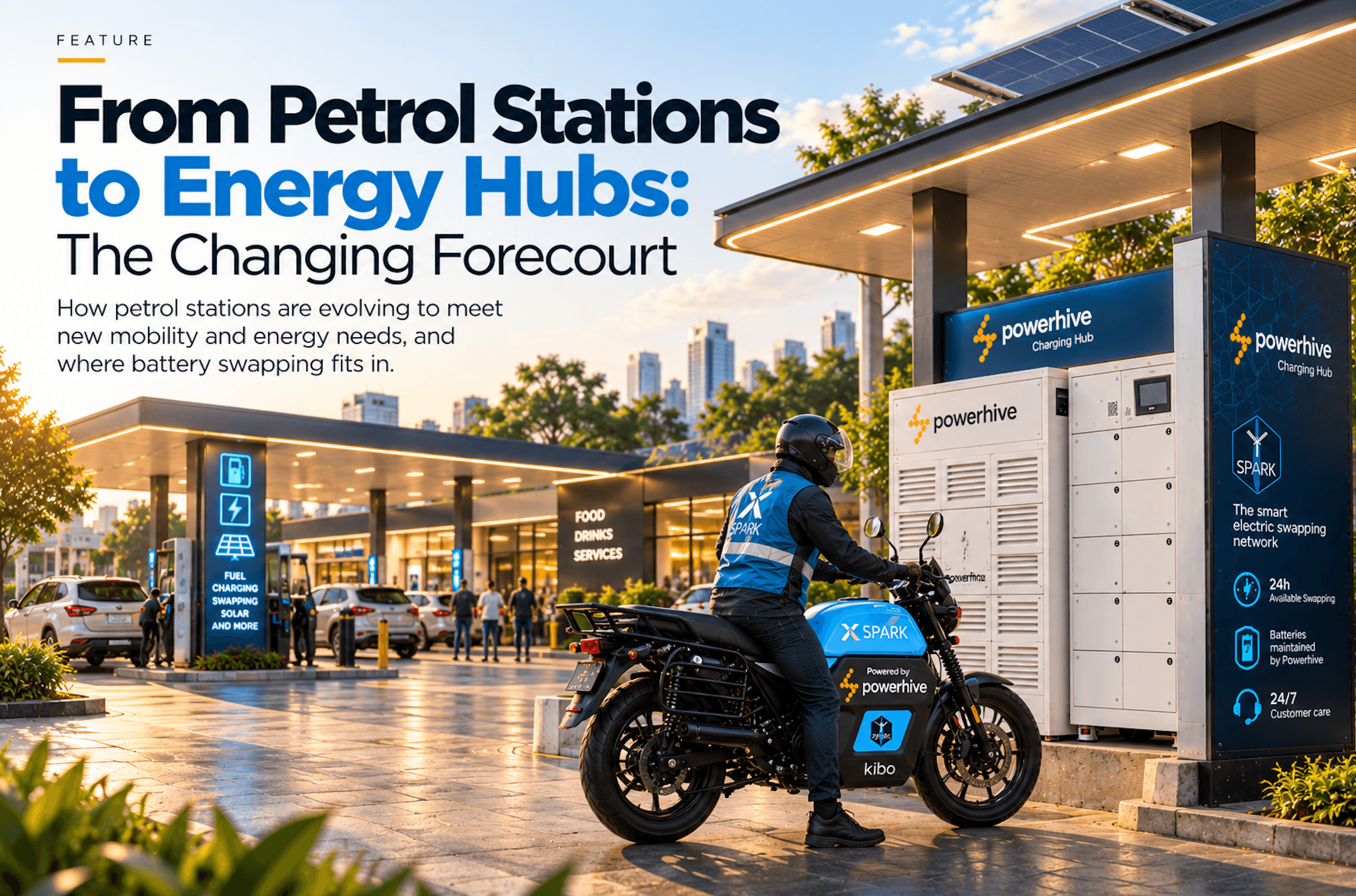
Changes in mobility, energy technology and consumer behaviour are reshaping a model historically built around petrol and diesel. Electric vehicles need charging and battery infrastructure, digital systems are changing how stations operate and how customers pay, while retail and other non-fuel services are becoming a bigger part of the forecourt business.
It is within this changing landscape that Powerhive participated in AfriFueling Expo 2026, held on 29 and 30 September at KICC in Nairobi, showcasing our battery swap station and the infrastructure supporting electric mobility in Kenya.
Under the theme “Navigate: The Forecourt of the Future,” the expo brought together Oil Marketing Companies (OMCs), independent retailers, technology providers, equipment manufacturers and other industry stakeholders to consider what the service station becomes as mobility and energy needs change. The traditional service station, in its framing, is evolving from a refuelling stop into a multi-energy, technology-driven service hub.
For someone outside the industry, the forecourt is simply the part of a service station where vehicles pull in to refuel. But these sites already occupy established transport routes, receive regular vehicle traffic and connect motorists with energy. As the mix of vehicles and energy sources changes, the opportunity is to expand what these locations can provide.
AfriFueling framed this evolution around three pillars: Infrastructure and the Energy Transition, Digital and Payment Ecosystems, and the Destination Experience.
The first, Infrastructure and the Energy Transition, considers how the physical forecourt changes as the energy mix expands. EV charging, battery technology, solar integration and other energy systems can increasingly sit alongside conventional fueling infrastructure. The expo identified EV manufacturers, charging providers, battery technology companies, fleet electrification and smart mobility as part of this emerging ecosystem.
This is where Powerhive's battery swapping infrastructure comes in.
Instead of waiting for an electric motorcycle battery to recharge, a rider can exchange a depleted battery for a charged one at a Powerhive battery swap station and continue the journey. Access to conveniently located energy infrastructure is an important part of making electric mobility practical for everyday work.
Existing forecourts present an interesting opportunity. A station does not have to stop serving petrol and diesel vehicles to participate in electric mobility. Battery swapping and EV charging can potentially complement existing services, allowing the same location to serve a changing mix of vehicles and energy needs.
Powerhive's work across solar energy, battery storage and intelligent energy management also speaks to another part of the transition: how the forecourt itself is powered. As energy demand changes, distributed solar and battery storage can help businesses generate, store and manage electricity on site, while intelligent energy systems coordinate how that energy is used.
The second pillar, Digital and Payment Ecosystems, considers the technology required to operate this increasingly connected environment. AfriFueling highlighted automated tank gauging, IoT-enabled dispensers, AI-driven surveillance and fintech and payment integration. The expo programme also examined cybersecurity, loss control and digital infrastructure for forecourt networks.
The third pillar, The Destination Experience, expands the conversation beyond energy. Convenience retail, food and beverage, car washes, tyre services and other non-fuel offerings are increasingly part of how the modern forecourt serves customers and generates value.
Together, the three pillars show that the future forecourt is not simply about replacing one fuel with another, it’s about creating sites where different forms of energy, mobility infrastructure, digital systems and customer services can coexist.
That is also why AfriFueling Expo 2026 was an important meeting point for the industry. The event created a meeting point between the companies operating today's forecourts and the businesses developing technologies that could become part of tomorrow's.
The same principle applies to the wider energy transition. New technologies become meaningful when they can be integrated into the infrastructure people and businesses already use.
For Powerhive, battery swapping, solar generation, energy storage and intelligent energy management are part of building that next layer of infrastructure, one designed to respond to changing energy and mobility needs across the markets we serve.